
Philadelphia Non-Compete Lawyer

A non-compete agreement can affect where you work, which opportunities you accept, and whether you can start your own business. Lacy Employment Law Firm helps Philadelphia employees and professionals understand restrictive covenants, challenge unreasonable terms, and protect their careers.

What Our Clients Say

⭐ ⭐ ⭐ ⭐ ⭐

Philadelphia | 4.8 Rating

⭐ ⭐ ⭐ ⭐ ⭐

Pittsburgh | 4.8 Rating

A person walking down a sidewalk.

Is Your Non-Compete Holding Back Your Career?

You may have received a new job offer, decided to leave your employer, or learned that your former company intends to enforce a non-compete. Before resigning, accepting another position, contacting clients, or starting a competing business, it is important to understand what your agreement actually restricts.


A Philadelphia non-compete lawyer can review the duration, geographic limits, restricted activities, and circumstances surrounding the agreement. The review may also cover related provisions involving customer solicitation, employee recruitment, confidentiality, trade secrets, and the return of company property.

How a Philadelphia Non-Compete Lawyer Can Help

A non-compete dispute is not only about what the contract says. Your responsibilities, access to confidential information, relationship with customers, reason for leaving, and proposed new role may all affect the legal analysis.

Our attorneys can help you:

Getting advice early may give you more options than waiting until a dispute has already escalated.

Are Non-Compete Agreements Enforceable in Pennsylvania?

Pennsylvania courts may enforce a non-compete when it is connected to a legitimate employment relationship, supported by adequate consideration, and reasonably limited to protect a valid business interest. Courts may examine whether the restriction protects confidential information, trade secrets, specialized training, or established customer relationships.


The timing of the agreement also matters. A non-compete presented after employment has already begun may raise questions about what additional benefit the employee received in exchange for accepting the new restriction.


Every agreement requires an individual review. A broad restriction that mainly prevents ordinary competition may be more difficult for an employer to justify.

Aerial view of Philadelphia City Hall surrounded by tall office buildings, including The Lacy Employment Law Firm, with streets and cars visible below on a clear day.

What Happens If an Employer Tries to Enforce a Non-Compete?

An enforcement threat can move quickly and disrupt a new job.

A former employer may send a demand letter, contact your new company, or ask a court for an injunction preventing you from beginning or continuing your new role. The employer may also claim financial damages, legal costs, misuse of confidential information, or interference with customer relationships.


Do not ignore an enforcement letter or assume the employer cannot act. At the same time, receiving a threat does not mean the employer will automatically win.


A lawyer can review the allegations, preserve relevant evidence, communicate with the employer, and determine whether the dispute may be resolved through clarification, negotiation, or litigation.

Philadelphia skyline at dusk.

Negotiating a Release or Narrower Restriction

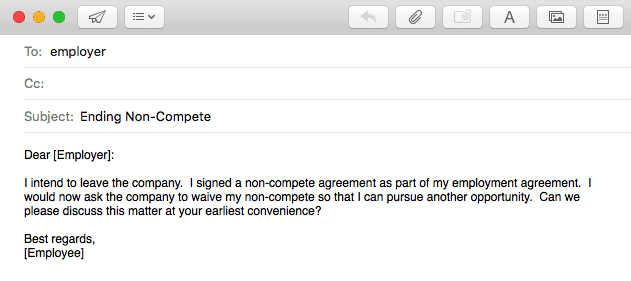
Some non-compete disputes can be resolved without going to court. An employer may agree to waive the restriction, shorten its duration, reduce its geographic reach, or clarify that a specific job does not violate the agreement.


Negotiations may also address particular clients, confidential information, company devices, files, and non-solicitation obligations. The goal is to create clear written terms that allow you to move forward while addressing legitimate concerns raised by the employer.


Do not rely only on a verbal assurance that the company “probably will not enforce” the agreement. A written release or amendment provides greater clarity for you and your new employer.

Non-Competes for Philadelphia Healthcare Professionals

Pennsylvania law provides additional protections for certain practitioners.

Healthcare professionals should have their agreements reviewed carefully. Pennsylvania’s Fair Contracting for Health Care Practitioners Act limits certain non-compete covenants involving covered healthcare practitioners and agreements entered into on or after January 1, 2025.


The agreement’s date, length, termination circumstances, and the practitioner’s role can affect whether these protections apply. Separate provisions involving patient notification, confidential information, expense repayment, and the sale of an ownership interest may also require review.


A Philadelphia non-compete lawyer can examine the complete agreement instead of evaluating one clause in isolation.

Review the Agreement Before You Resign or Accept a New Job

Bring your employment agreement, offer letter, compensation documents, employee handbook, separation paperwork, and any messages from your employer to your consultation. You should also be prepared to explain your former duties and the responsibilities of your proposed new role.


Avoid taking company documents, downloading customer information, forwarding work files to a personal account, or deleting potential evidence. Even when a non-compete is questionable, separate allegations involving confidential information or trade secrets can complicate the dispute.


Our attorneys can help you understand the risks before you make decisions that may affect your career.

A group of people walking down the street near a building.

Frequently Asked Questions

Possibly, but the employer must have a legally enforceable agreement and a valid basis for applying it to your new position. The agreement’s duration, geographic scope, restricted activities, consideration, and protected business interest may all matter. A lawyer should compare the written restriction with what you will actually do in the new role.

No. Pennsylvania does not automatically enforce every non-compete simply because an employee signed it. Restrictions may be challenged when they lack adequate consideration, are broader than reasonably necessary, or do not protect a legitimate business interest.

The FTC’s nationwide Noncompete Rule is not currently in effect or enforceable. Non-compete disputes therefore continue to depend heavily on applicable state law, contract terms, and the specific facts of the employment relationship. The FTC may still pursue certain non-compete practices through individual enforcement actions.

Do not ignore the letter, contact former clients, or send an emotional response. Preserve the letter and related documents, follow any evidence-preservation obligations, and speak with an employment lawyer promptly. Your lawyer can assess the deadline, allegations, requested actions, and available defenses before responding.

Yes. Depending on the situation, a lawyer may request a complete waiver or negotiate narrower terms covering the duration, location, type of work, or specific customers involved. Any agreement should be documented in writing.

A former employer may contact a new employer to raise concerns about a restrictive covenant. This can put the job offer or employment relationship at risk. Legal guidance before the transition may help you explain the situation, assess exposure, and respond before the issue escalates.