

If you were treated differently at work because of your sex, pregnancy, sexual orientation, gender identity, or gender expression, you may have legal protections under federal, Pennsylvania, and Pittsburgh employment laws. Gender discrimination is one form of unlawful workplace discrimination. The Lacy Employment Law Firm in Pittsburgh helps employees understand their legal options and protect their workplace rights.
Posted on Google
 SEBASTIAN.March 20, 2026
Trustindex verifies that the original source of the review is Google.
I Had A Good Experience Working One On One My Lawyer Mr Rick Haurbour Did So Well & Has Good Experience In This Field. He Made My Voice Heard & Helped Me Receive A Good Settlement I Am Truly Happy How Things Happened Thanks.-Sebastian.Posted on Google Denise WolfFebruary 10, 2026Richard Haarbauer was 100% amazing to work with. He listen to my concerns and addressed them in a very professional matter. His communication skills were by far better than any attorney I have ever worked with. My case was 50/50 to begin with and we still came out on top. Again thank you so much for your time and patience!!!Posted on Google
 Dave HudacsekNovember 20, 2025Thorough, Caring, Focused. Very professional. They ease your mind and help you to navigate difficult, scary waters. THANK YOU!!Posted on Google
 Jacek JJune 22, 2025I am very happy with the experience I had working with Andrew Lacy. From the very beginning, he was professional, knowledgeable, and took the time to really understand my situation. Throughout the entire process, Andrew Lacy was always responsive, patient in answering my questions, and provided clear guidance at every step. It’s not easy to find someone you can truly trust when it comes to legal matters, but I always felt confident that I was in good hands. I appreciated his honesty, attention to detail, and dedication to achieving the best possible outcome. I highly recommend Andrew Lacy to anyone in need of reliable and skilled legal representation. J. J.Posted on Google
 Kim B.June 9, 2025Andrew Lacy helped me navigate a difficult work situation with confidence and ease. It’s rare—and deeply comforting—to work with a lawyer who is a true advocate. Andrew had my back every step of the way and consistently prioritized my best interests. He’s ethical, hardworking, supportive, and genuinely cares about his clients. His entire team was professional, responsive, and top-notch. I highly recommend Andrew to anyone seeking a stellar attorney who combines legal skill with integrity and heart.Posted on Google
 Jennifer HowellDecember 21, 2024I highly recommend Andrew Lacy, and the ability to schedule an individual paid counseling session with him simply to seek advice and get some questions answered. I had some questions about some potential future employment issues, and every other attorney I contacted wasn’t even interested in talking to me because I wasn’t interested in suing my current or former employer. Andrew answered my questions and gave me good advice on how to prepare myself for potential issues and other things to look out for. Well worth the small fee.Posted on Google
 AsherNovember 10, 2024Posted on Google
 Alex MeyersSeptember 30, 2024Andrew Lacy exemplifies excellence in Employment Law. He strikes an ideal balance between professionalism and genuine empathy for his clients' situations. What makes Andrew different is his innovative approach to legal challenges and his unwavering dedication. When I found myself facing a wrongful termination case, Andrew advocated on my behalf, ensuring I received fair treatment throughout the process. His team is not only highly competent but also trustworthy and attentive to client needs. I'm very grateful for their efforts. For anyone dealing with employment-related legal issues, I recommend Andrew Lacy and his team. Their expertise and commitment make them an invaluable partner in navigating complex legal waters.Posted on Google
 Angela Reid-JamesSeptember 24, 2024Exceptional Representation by the Lacy Employment Law Firm If you are an employee in search of a law firm that genuinely listens, advocates fiercely, and remains transparent throughout your case, look no further than Andrew Lacy and the Lacy Employment Law Firm. Recently, I found myself in unfamiliar territory facing a challenging situation as an employee. Though I didn’t know Andrew personally, his listing in the African American Chamber of Commerce Western PA Directory, coupled with a recommendation from a highly respected leader in Pittsburgh, reassured me that I could trust him. I was not disappointed — I undoubtedly made the right decision. From our very first conversation, Andrew’s integrity and professionalism were evident. He was upfront and honest, carefully managing my expectations while distinguishing my rights from my assumptions. His words, “I want to help you,” were not just a phrase but a commitment he and his team followed through on. Throughout the entire process, Andrew, along with Kathy and Kathryn, kept me continuously informed, ensuring I knew what to expect, what not to expect, and regularly checking in to make sure I was okay. What stood out the most was the personalized care I received. Andrew and his team made it clear that I wasn’t just another case file — I was treated as a person whose rights and well-being genuinely mattered. That level of care made all the difference. Their unwavering support and legal expertise were invaluable, and I always felt empowered and well-informed during the process. I wholeheartedly recommend Andrew Lacy and his team to anyone in need of employment law representation. Their dedication to fighting for fairness and providing thorough, compassionate support sets them apart. They don’t just get the job done — they excel at it, ensuring their clients feel protected and heard every step of the way.Posted on Google
 Alyson Lush (Ally Lush)April 15, 2024Great experience working with them! Would definitely recommend - they took my case when other lawyers would not. Appreciated the time energy dedicated to my case for an ultimately positive outcome. It was great to work with everyone at the firm - responsive, thoughtful and thorough group.
Discrimination does not always involve an openly biased comment or immediate termination.
Gender discrimination can influence who gets hired, trusted with important assignments, promoted, paid fairly, disciplined, or selected for termination. Sometimes the pattern becomes clear only after comparing how employees of different genders were treated in similar circumstances.
Whether you work Downtown, in Oakland, on the North Shore, or elsewhere in Pittsburgh, you have the right to make employment decisions without unlawful gender bias influencing your career.
Unlawful treatment can appear at any stage of employment.
Possible signs of workplace gender discrimination include:
A single unfair decision does not automatically establish discrimination. The surrounding facts, timing, employer explanations, workplace records, and treatment of other employees all matter.
Lacy Employment Law Firm
PITTSBURGH PRACTICE AREAS
➤ Pittsburgh Employment Lawyer
➤ Disability and Reasonable Accommodations
➤ Discrimination Lawyer
➤ Age Discrimination Lawyer
➤ Race Discrimination Lawyer
➤ Pregnancy Discrimination Lawyer
➤ Disability Discrimination Lawyer
➤ Gender Discrimination Lawyer
➤ National Origin Discrimination Lawyer
➤ Religious Discrimination Lawyer
➤ Sexual Orientation Discrimination Lawyer
➤ Harassment Lawyer
➤ Sexual Harassment Lawyer
➤ Retaliation Lawyer
➤ Retaliation for Whistleblower Claims Lawyer
➤ Wage & Hour Lawyer
➤ Failure to Pay Overtime Lawyer
➤ Failure to Pay Wages Lawyer
➤ Employment Contracts Lawyer
➤ Severance Agreement Lawyer
➤ Breach of Contract Lawyer
➤ Wrongful Termination Lawyer
➤ Family Medical Leave Act (FMLA)
➤ Whistleblower Claims Lawyer
➤ Non-Compete Lawyer
Title VII of the Civil Rights Act prohibits covered employers from discriminating based on sex. Federal protections can also apply to pregnancy, sexual orientation, and transgender status. Other laws, including the Equal Pay Act, the Pregnancy Discrimination Act, and the Pregnant Workers Fairness Act, may apply depending on the conduct involved.
Pennsylvania employees may also have protections under the Pennsylvania Human Relations Act and the state Equal Pay Law. Within Pittsburgh, the city’s employment protections expressly include sex, pregnancy or childbirth, sexual orientation, gender identity or expression, and retaliation.
Because these laws have different requirements, employer-size rules, filing procedures, and available remedies, identifying every applicable claim is an important part of the case review.

Strong claims are built from facts, records, and meaningful comparisons.
Our legal team may examine your employment history, performance reviews, compensation records, disciplinary documents, emails, internal complaints, workplace policies, and the employer’s stated reason for its decision.
We may also compare how employees in similar positions were treated. For example, evidence may show that another employee received better pay, avoided discipline, gained a promotion, or received an accommodation under similar circumstances.
The timing of events can also be important. A sudden negative review, schedule change, demotion, or termination shortly after you reported gender bias may raise questions about retaliation.

Create a written timeline of discriminatory comments, decisions, complaints, meetings, and employment actions. Preserve lawful copies of relevant pay records, performance reviews, schedules, policies, emails, and messages.
When appropriate, report the treatment in writing so there is a record of what you raised and when you raised it. Keep your communication factual and avoid deleting, editing, or altering existing records.
Before resigning, signing a severance agreement, accepting a demotion, or making a major workplace decision, consider speaking with an employment lawyer. These decisions can affect your rights and legal strategy.
A potential claim may involve unequal compensation, denial of a promotion, reduced hours, undesirable assignments, unfair discipline, loss of responsibilities, harassment, or another significant employment action.
An employee may also have a retaliation claim when an employer punishes them for reporting discrimination, participating in an investigation, or opposing conduct they reasonably believe is unlawful. Federal law protects applicants, current employees, and former employees from covered discrimination and retaliation.
The available outcome depends on the law, evidence, and harm involved.
Potential remedies may include lost wages, lost benefits, future pay, compensation for emotional harm, reinstatement, promotion, pay adjustments, policy changes, attorney’s fees, and other legal or equitable relief.
The remedies available under each law are different, and some forms of damages are subject to statutory limits. No lawyer can guarantee a particular settlement or court result. A case evaluation can help clarify which remedies may realistically apply to your circumstances.
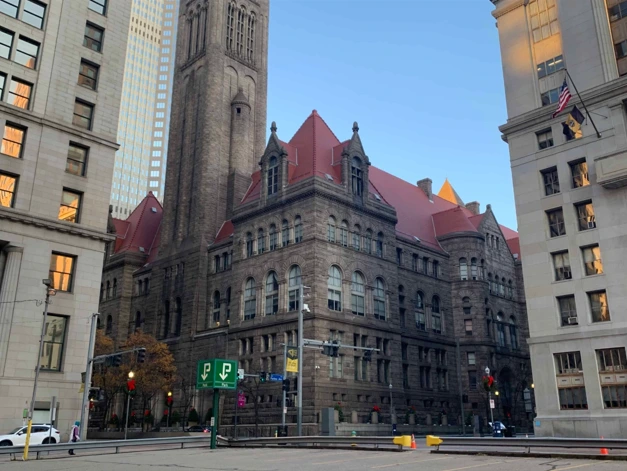
Gender discrimination is one form of unlawful workplace discrimination. Depending on your circumstances, you may also have claims involving another protected characteristic.
Gender discrimination claims often overlap with other employment law issues. Depending on the facts of your case, you may have additional legal claims.
Representation for employees who experienced discrimination based on age, race, disability, pregnancy, religion, national origin, sex, sexual orientation, ethnicity, or another protected characteristic.
Helping employees subjected to workplace harassment, sexual harassment, or hostile work environments.
Representation for employees punished after reporting discrimination, harassment, safety concerns, wage violations, or other protected activity.
Representation for employees who believe they were unlawfully terminated because of discrimination, retaliation, or another unlawful reason.